
A leaking water heater is not automatically a heater at the end of its life. Plenty of leaks come from parts that are cheap and quick to replace: a relief valve that no longer seats, a plastic drain valve that has started to weep, a supply connector with a tired gasket, or a corroded fitting at the top of the tank. Some puddles are not leaks at all but condensation, especially on a newly filled tank or a gas unit starting up in muggy weather. The one leak that cannot be repaired is water seeping from the steel tank, usually through the bottom or a seam. For Hampton, VA homeowners, the difference between those answers is why diagnosis comes first.
Our diagnosis is methodical. We dry the area, look at the T&P valve and the end of its discharge pipe, inspect the drain valve, and follow the hot and cold lines up to the fittings on top of the tank. On gas units, we look under the burner access for water, which can point to condensation or, more seriously, a failing tank. If the relief valve has been discharging, we put a gauge on the system to read static pressure and check for thermal expansion, since a closed plumbing system without an expansion tank can spike pressure every time the burner runs. After all of that do we recommend a fix.
With the source confirmed, the fix is often simple. A new T&P valve, a brass drain valve in place of a weeping plastic one, fresh dielectric fittings or supply connectors, and an expansion tank or pressure-reducing valve where pressure is to blame can all be handled on the spot. A corroded tank is different. No sealant or patch will hold, so we explain replacement honestly and walk through the choices. Before we leave, we can add a drain pan with a drain line and a leak sensor, which matters most for heaters above finished space. Call (757) 293-7764 for leak repair in Hampton.
Most of our service calls are for Water Heater Repair in Hampton and Water Heater Replacement in Hampton. That's the place to start for most homes.
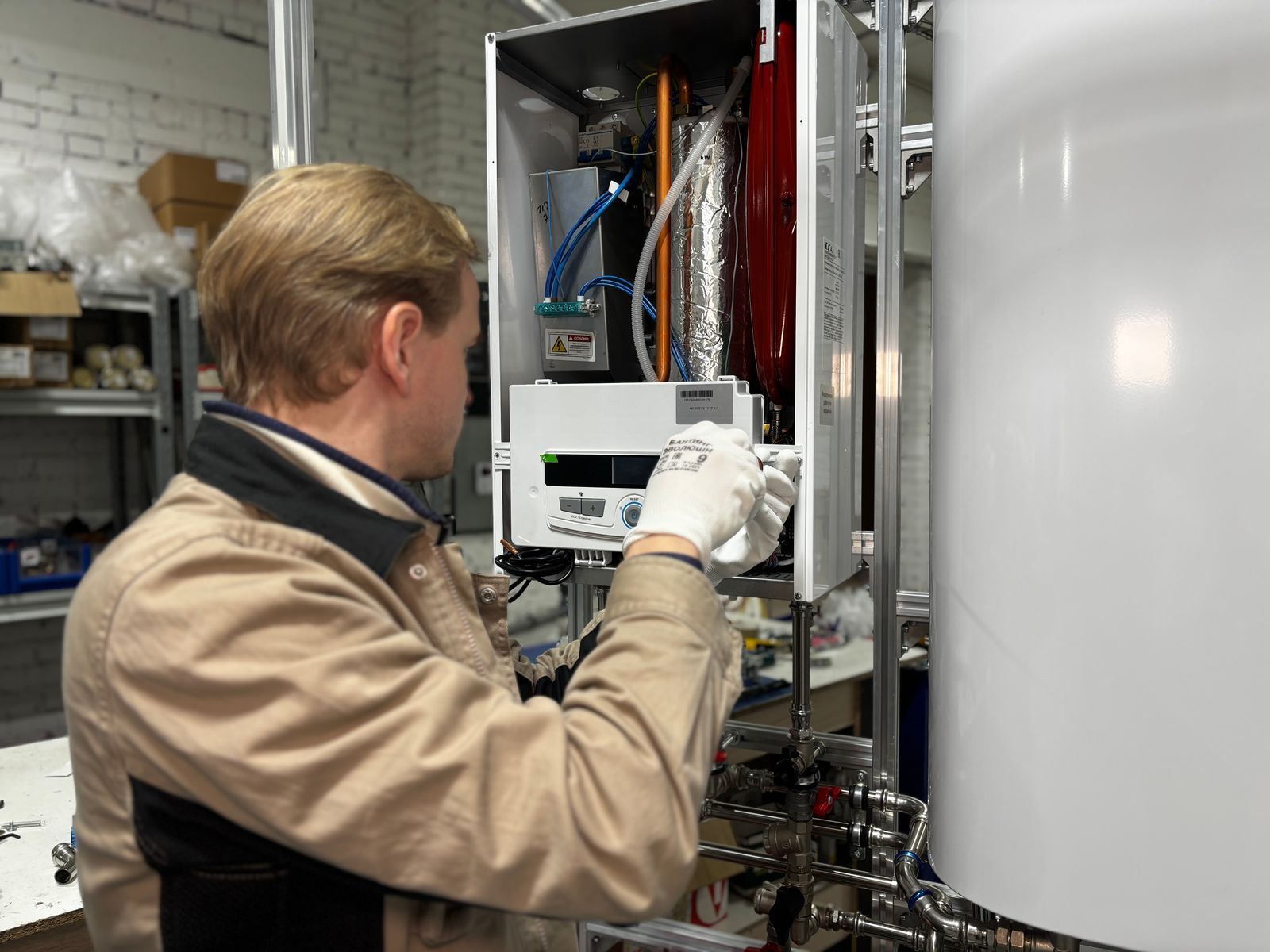
How to Tell Something Is Wrong
Most tanks announce trouble weeks or months ahead with rumbling noises, rusty water, or hot showers that keep getting shorter. Keep an eye out for the following:
- Brown hot water along with moisture around the tank bottom
- Steady drips from the drain valve near the base
- Dampness in the combustion area of a gas unit
- A water bill that rises without any change in usage
- A musty odor or soft floor around the heater location
- Rust, green corrosion, or white crust on the fittings at the top of the tank
- Water collecting under or beside the heater
- A T&P valve line that drips or releases water now and then
Early Action Saves Money
Left alone, even minor symptoms like rumbling or temperatures that swing from hot to warm tend to mean the heater is working its way toward a breakdown. If you notice any of these signs, contact Hampton Water Heater at (757) 293-7764 for a prompt inspection.
Get Water Heater Leak Repair Handled Today
We'll diagnose the problem and give you a straight answer on the fix.
Call (757) 293-7764 NowCommon Questions We Hear
The Benefits of Professional Water Heater Leak Repair
Most leak mistakes happen before any tool comes out. Water travels along pipes and the outer jacket before it drips, so the puddle rarely marks the source, and harmless condensation on a gas unit or a cold tank can pass for a leak. Guessing leads to replacing the wrong valve or, worse, missing a tank that is about to fail. The safety side matters as well: a relief valve that is discharging is protecting the tank, and plugging it invites a far worse failure. Brittle old fittings can snap under force, and water around a 240-volt electric heater is a real shock hazard.
Experience turns a guessing game into a short, clear diagnosis. We isolate each possible source in turn, confirm it with fresh water on a dried surface, and measure static pressure so a new valve does not start dripping next week. Worn relief valves, weeping drain valves, and corroded connections are replaced on the spot, and pressure problems get a real solution, whether that is an expansion tank or a pressure-reducing valve. A rusted-through tank gets an honest replacement recommendation instead of a temporary fix, and we can add a piped drain pan and a leak sensor to protect your home going forward.
From Your Call to Hot Water
Good water heater work comes down to a consistent routine, and ours starts with a real diagnosis instead of a guess. Here's the short version:
Contain the Water
Before diagnosing, we isolate the heater, cut the gas or power, and contain any standing water so floors and walls stop soaking it up.
Find Where It Starts
With the surfaces dried, fresh water shows us where the leak begins, whether that is a valve, a fitting, condensation, or the tank wall.
Measure What Caused It
Leaks often have a cause behind the cause. Pressure above about 80 psi or a waterlogged expansion tank gets found and corrected.
Fix and Confirm Dry
The faulty valve or fitting is replaced, the tank is refilled and bled of air, and we watch the connections under pressure before we leave.
How to Prevent Water Heater Problems
A little routine care goes a long way toward keeping a water heater running well past its expected lifespan. Put these technician-approved steps to work at home:
- Annual flushing removes sediment that traps heat against the tank floor
- Ask about expansion control if your home has a check valve or backflow preventer
- Replace a depleted anode rod before the steel tank becomes the next target for corrosion
- Make a habit of checking around the heater for moisture or corrosion every few weeks
- Check your water pressure; if it runs above about 80 psi, a pressure-reducing valve protects the tank and valves
- Put a water leak sensor on the floor next to the tank so a drip gets noticed early
- A properly drained pan under the tank catches small leaks before they reach your floors
Doing It Yourself vs. Hiring a Technician
Online videos may help in a pinch, yet lasting repairs and code-compliant installs depend on correct venting, proper relief valve discharge piping, and a trained technician. A side-by-side look:
| Factor | Doing It Yourself | Professional Service |
|---|---|---|
| Finding the Source | Fix the part nearest the puddle | Every valve and fitting checked in order |
| Relief Valve | Valve capped to stop the drip, a serious hazard | Root cause fixed so the new valve stays dry |
| Old Fittings | Wrapped in tape and hoped for the best | Corroded connections replaced with new fittings |
| Condensation vs Leak | Unneeded parts or a whole new heater | False leaks ruled out with testing |
| Protecting the Home | Floors left exposed to the next leak | Shutoff labeled and leak alarms suggested |
| Result | Source unconfirmed | Confirmed dry repair or honest replacement advice |
Get Water Heater Leak Repair Help Today
Every day a leak or a failing part goes unchecked puts more stress on the tank. Get Hampton Water Heater on the job today.
Get Help: (757) 293-7764Areas We Serve for Water Heater Leak Repair
We serve Hampton and its neighboring towns for water heater leak repair, from quick same-day repairs to planned installs.