Not every water heater problem is an emergency, but the ones that are get more expensive with every minute. The most common one is a ruptured tank. Because the cold inlet stays connected to a failed tank, the leak does not end when the heater is empty; it often keeps running until someone closes a valve, soaking subfloors, carpet, and ceilings below. Other urgent signs include a relief valve that is releasing water again and again, which means the tank is running too hot or at too much pressure, water at the tap that is suddenly scalding, and a rotten-egg odor near a gas unit. For homeowners in Hampton, VA, any of these deserves a phone call right away rather than a wait-and-see approach.
Safety comes before the phone call to us. If you smell gas, get everyone outside immediately, do not flip light switches or unplug anything on the way out, and call your gas utility or 911 from outside. Once gas is ruled out, close the cold-water shutoff on the line feeding the heater; if it is seized or hard to reach, shut the main water valve for the house. On a gas unit, turn the control knob to OFF. On an electric unit, switch off its breaker, and never touch the panel while standing in water. If the relief valve is discharging, leave it open and never plug its pipe, because that valve is the only thing keeping an overheated tank from failing violently. Then call (757) 293-7764 and we will take it from there.
Our part of the job begins the moment you call (757) 293-7764. Whoever answers walks you through isolating the heater, confirms the leak has actually stopped, and gives you a realistic window for a technician instead of a guess. Once we arrive, safety checks come first: water, gas or power, and venting. Then we diagnose. A failed relief valve, a leaking drain valve, a corroded supply fitting, or a burned-out element can usually be replaced the same visit because those parts ride on the truck. If the tank has rusted through, no repair will hold, and you will hear that from us directly before walking through replacement choices. Homeowners across Hampton call us for exactly these moments.
What homeowners call us about most is Water Heater Repair in Hampton. Either is a good place to start.
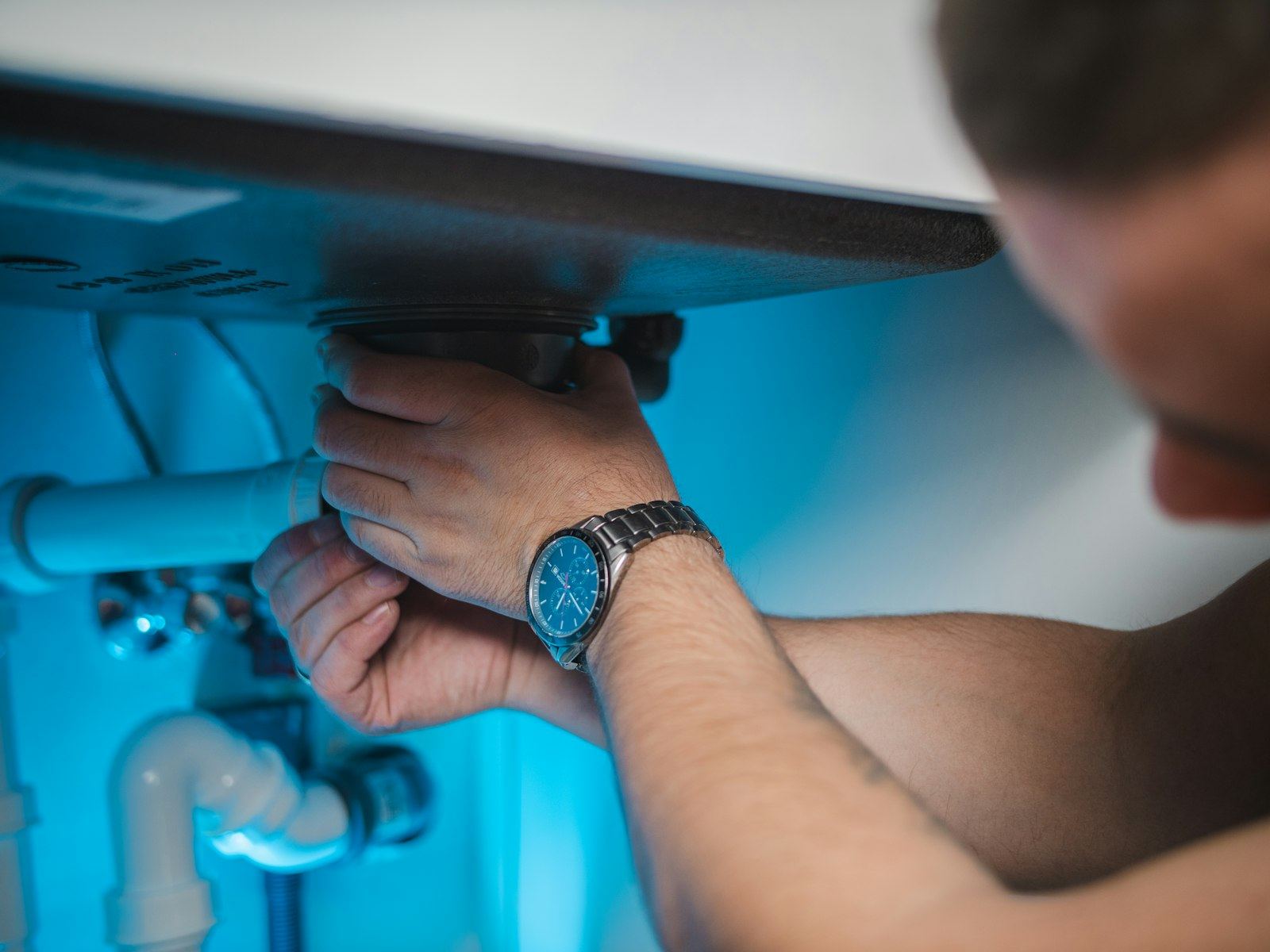
Signs You Need Emergency Water Heater Repair in Hampton
Recognizing the warning signs early can save you money and keep a slow drip from turning into a flooded utility room. If any of the following sound familiar, it's worth having the unit checked:
- The relief valve on the side of the tank dripping, hissing, or discharging
- Water at the tap that is suddenly scalding hot
- Any gas odor around the heater, which means getting out and calling the gas company before calling us
- A breaker that trips every time the electric heater tries to run
- A complete loss of hot water throughout the house
- A puddle under the tank that keeps growing
- Sudden loud knocking or boiling sounds coming from inside the tank
- Signs of scorching or backdrafting around the base or top of a gas heater
A Slow Leak Never Stays Slow
Tanks rarely fail all at once. They corrode from the inside for months, and the warning signs show up long before the floor gets wet. Don't wait. Get Hampton Water Heater on the phone at (757) 293-7764 and we'll get a technician scheduled.
Talk to Us About Emergency Water Heater Repair
Call Hampton Water Heater for fast, reliable service.
Tap to Call (757) 293-7764Emergency Water Heater Repair FAQ
Why Hire a Professional for Emergency Water Heater Repair?
The risks in a water heater emergency are easy to underestimate. In reality, you may be dealing with standing water beside 240-volt wiring, a gas supply and live burner a few inches from a puddle, and a tank of very hot water under pressure. The relief valve, if it is firing, is the final line of defense between an overheated tank and a violent failure, and plugging it is one of the most dangerous things anyone can do to a heater. Relighting a pilot while gas lingers, or forcing a rusted connection, can make things much worse. Evacuate for gas, isolate, then phone is the right sequence for anyone without the tools and training.
What does a professional add in the middle of an emergency? Certainty and safe sequencing. We verify the shutoffs, check for gas leaks with proper tools, and confirm the area is safe for electrical work. Then we find the root cause. A discharging relief valve often means high street pressure or no room for thermal expansion; a puddle might be a drain valve, a dielectric fitting, condensation, or a failed tank; a cold house may trace back to a thermocouple, an element, or a tripped high-limit switch. No two of those share a fix. We repair what can honestly be repaired, and when the tank is the problem, we explain your replacement options without pressure.
What to Expect From Our Team
Good water heater work comes down to a consistent routine, and ours starts with a real diagnosis instead of a guess. Here's how we handle emergency water heater repair from start to finish:
Make It Safe by Phone
We start on the phone: confirm there is no gas odor, help you close the cold supply and turn off gas or power, and talk through what to move out of the water's path.
Secure the Area
We send a technician with a stocked truck and give you a realistic time frame. The first job on arrival is confirming the heater is isolated and the area is safe to work in.
Repair or Honest Replacement
The source gets pinpointed before any part is replaced. Relief valves, drain valves, connectors, thermocouples, and elements are stocked, so most fixes happen the same visit.
Safe Restart
Restarting correctly matters. We fill the tank before power or gas returns, check fittings and the relief valve for leaks, verify draft on gas units, and leave the thermostat near 120F.
Want a Professional Opinion?
Tell us the age, fuel type, and symptoms, and we'll help you sort out the next step.
Call (757) 293-7764 TodayTips to Keep Your Water Heater Healthy
Routine maintenance is almost always cheaper and easier than an early replacement. Here's where to begin:
- Annual flushing keeps sediment from causing the rumbling and hot spots that lead to leaks
- Leave clear space around a gas heater and never store flammable liquids nearby
- Add a battery leak alarm or an automatic shutoff valve that closes the supply when it senses water
- Lift the relief valve lever once a year to confirm it opens and reseats, and call if it keeps dripping
- Put the heater in a drain pan piped to a floor drain or the exterior where the setup allows
- Set the temperature around 120F, which protects against burns and slows tank wear
- Know where the heater shutoff and the main water valve are, and make sure everyone in the house does too
Comparing DIY and Professional Work
Relighting a pilot by following the label is one thing. Diagnosing a gas valve, a burned-out element, a dirty flame sensor, or a tankless error code calls for meters and know-how that a pro brings. Here's a comparison:
| Consideration | Doing It Yourself | Hiring a Pro |
|---|---|---|
| Gas Odor | Lingering near a possible leak | Leak detector and soap test after the area is cleared |
| Stopping the Leak | Seized valves forced until they break | Water stopped and drain-down done properly |
| Relief Valve | Discharge silenced without finding the cause | Root cause measured and corrected |
| Electrical Hazard | Handling 240V near standing water | Circuit verified dead before any work |
| Diagnosis | Guessing between valve, fitting, and tank | Leak and failure point pinpointed |
| Outcome | Fix that may not hold overnight | Safe restart, verified dry and working |
Talk to Our Emergency Water Heater Repair Team
Every day a leak or a failing part goes unchecked puts more stress on the tank. Get Hampton Water Heater on the job today.
Tap to Call (757) 293-7764Emergency Water Heater Repair Near Hampton
Wherever you are in the area, the same experienced team shows up with the same parts and the same pricing. Find your community below.